
Simplify Your EV Charging with Smart Installation Tips
Electric vehicles (EVs) are becoming increasingly popular as more people look for sustainable alternatives to gasoline-powered cars. However, one of the biggest hurdles for new EV owners is finding convenient and efficient ways to charge their vehicles. In this blog post, we will explore smart EV charger setup tips to simplify your charging experience and help you maximize your EV ownership.
Smart EV Charger Setup
Installing an EV charger at home offers practicality and peace of mind for owners. But getting it right can make a difference. Here are some points to consider when setting up your smart EV charger.
Choose the Right Location
Select a location that offers easy access to your car. This could be in your garage or at the side of your house. Ensure it's close to your vehicle's charging port and has ample space for parking. Keep in mind the potential for future vehicles as well.

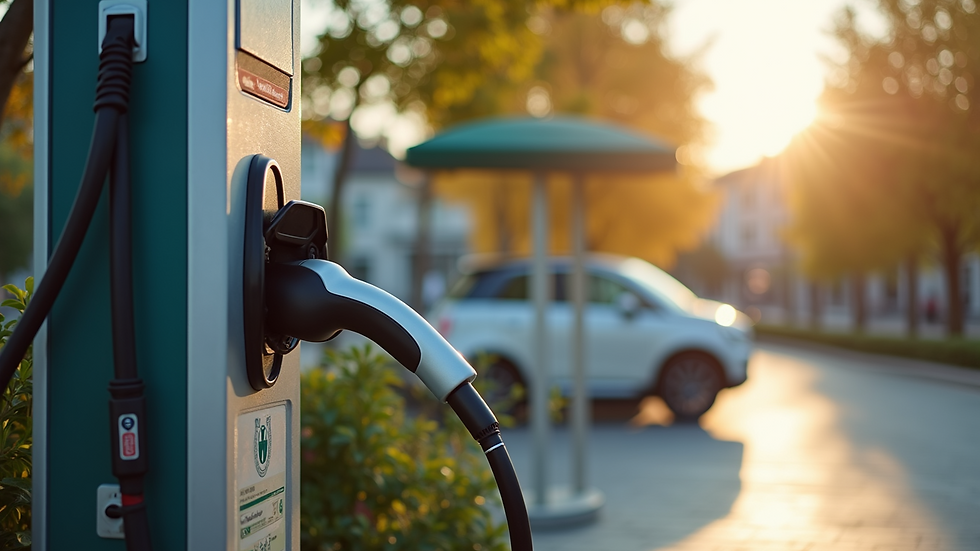
Residential EV charging station for easy access Understand Power Requirements
EV chargers come in several types, categorized by their power output: Level 1, Level 2, and DC fast chargers. Level 1 chargers use standard household outlets and are slower, while Level 2 chargers significantly reduce charging time. Assess your charging needs based on your driving habits and select a charger accordingly.
Consult a Professional
Working with an electrician experienced in EV charger installation ensures safety and compliance with local regulations. A professional can evaluate your home's electrical capacity and recommend suitable chargers that fit your unique situation.
How much does it cost for an EV charger to be installed?
Installation Costs
The price you pay for installation can vary widely depending on your specific requirements, such as the type of charger, the installation location, and any necessary electrical upgrades. Homeowners can expect to spend anywhere from $300 to $1,500 on installation alone, not including the cost of the charger itself. Given this range, it is essential to budget wisely and shop around for the best prices.
Charger Costs
The cost of the EV charger itself can also differ based on features and capabilities, ranging from $400 for basic models to $1,200 for smart chargers with advanced functionalities. Consider factors like connectivity, app integration, and energy management when selecting a charger.
Potential Incentives
Don’t forget to research possible rebates or incentives for EV charger installation. Many states offer tax credits or tax rebates for installing home charging stations, which can help reduce your overall expenses.

Utilizing Smart Features
Opting for a smart EV charger can enhance your charging experience. These chargers offer numerous features that help you save time and energy.
Mobile App Integration
Smart EV chargers often come with mobile apps that provide real-time data on charging status, energy consumption, and scheduling capabilities. You can start or stop charging sessions, check energy usage, and even set timers to charge your vehicle during off-peak hours, helping to save on electricity costs.
Energy Management
Some chargers monitor your home’s energy consumption and optimize the charging process to prevent overloads. This feature helps to maintain a balanced flow of energy throughout your home while ensuring your EV gets charged effectively.
Integration with Smart Home Systems
If you're already using a smart home system, consider a charger that integrates seamlessly with it. This allows you to create routines, such as starting your car's charging session when energy demand is low or controlling the charger remotely to fit your lifestyle.
Safety Considerations
While convenience is critical, safety should be your top priority when installing an EV charger.
Electrical Upgrades
Before installation, assess your home’s electrical system. An outdated electrical panel may need upgrading to accommodate the additional load of an EV charger. Working with a licensed electrician can ensure that your setup meets safety standards.
Circuit Breakers
Installing a dedicated circuit for the EV charger protects your home’s electrical system. Making sure this circuit has a suitable breaker ensures that the charger operates safely without causing overloads or outages.
Weather Resistance
If you're installing an outdoor charger, consider weather-resistant options. Look for chargers with NEMA ratings that indicate their ability to withstand harsh conditions. Regular maintenance checks help prolong the life of your charger, especially if it’s outside.
Charging Etiquette and Best Practices
Once your charger is set up, it's essential to follow some best practices to ensure efficient and responsible usage.
Avoid Overcharging
Overcharging can degrade your battery's health over time. Smart EV chargers help manage charging sessions effectively. Set timers or use your charger's app to prevent your car from staying plugged in longer than necessary.
Share with Neighbors
If you live in a community with other EV users, consider sharing your charger during non-peak hours. This fosters a friendly atmosphere among your neighbors and maximizes the use of available charging equipment.
Stay Informed
The EV landscape evolves rapidly, so staying informed about new technologies, charging networks, and financial incentives can enhance your experience as an EV driver. Join local online forums and read up on best practices to ensure you are always in the know.
Final Thoughts
As the world shifts toward more sustainable transportation options, ensuring your EV charging setup is efficient and user-friendly is essential. Considering the insights shared in this blog—such as proper installation, smart features, safety, and best practices—you can create a seamless experience for yourself and other EV drivers in your community.
By simplifying your EV charging with these smart installation tips, you’ll not only enhance the convenience of owning an electric vehicle but also contribute to a cleaner and greener future.


Reading this post took me straight back to the day I finally upgraded my home charger. I’d been using a basic 240‑volt outlet for months, but every time I plugged in after a long drive the charger seemed to sputter and the car barely topped up. After a friend suggested a dedicated circuit with a smart EVSE, I hired an electrician and had a proper, weather‑sealed unit installed in the garage. The difference was night and day – the car now charges at full speed, and the app lets me schedule charging during off‑peak hours, saving a few bucks each month. I also followed the tip about positioning the cable near the door to avoid tripping hazards, which has saved…
This was an enjoyable read https://en.wikipedia.org/wiki/Digital_marketing You've managed to explain a complex topic in a clear and engaging way. check this out I'll share this with friends who might find it useful too.
This was an enjoyable read https://en.wikipedia.org/wiki/Digital_marketing You've managed to explain a complex topic in a clear and engaging way. check this out I'll share this with friends who might find it useful too.